A car-free mountain village at 1,222 meters, reachable only by train. Polar explorers trained here, and Star Wars filmed on the nearby glacier.
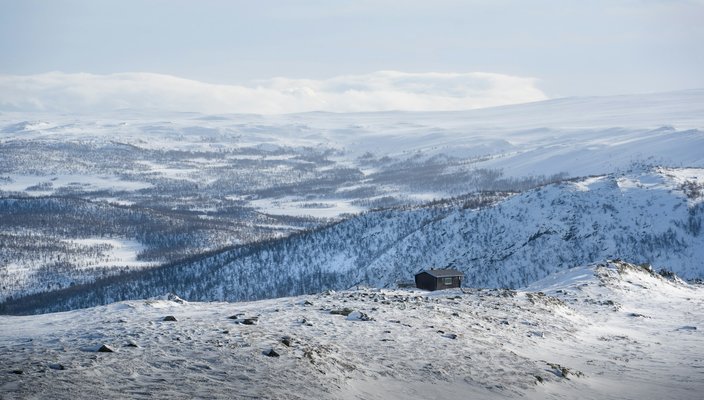
Finse sits at 1,222 meters on the Bergen Line railway between Oslo and Bergen. The Hardangervidda plateau surrounds this village. You arrive only by train, bicycle, or walking because no roads connect it. In winter, cross-country skiing and snowkiting happen on frozen Finsevatnet lake. Polar expeditions once trained here. During summer, hike or cycle the Rallarvegen path along old railway building routes. The Hardangerjøkulen glacier fills the view. Guided walks take you onto this ice field.
Train Travel to Finse
You ride the Bergen Line train to reach Finse. Four trains run daily from Oslo and Bergen on weekdays. The trip takes about 4.5 hours from Oslo or 2.5 hours from Bergen. You see Norway's mountain landscapes through the windows. Trains provide the only motor access all year since roads don't exist here. From late May through September, bike or walk the Rallarvegen trail from Haugastøl, Myrdal, or Hallingskeid. Avalanches or severe weather sometimes stop train service. This can leave Finse cut off temporarily. Buy tickets ahead through Norwegian State Railways for lower fares.
Winter Sports and Preparation
Cross-country skiing serves as main transportation from November to May. Ungroomed paths lead to DNT mountain cabins including Geiterygghytta and Hallingskeid. Use maps and compasses because snow changes yearly. Snowkiting occurs on Finsevatnet lake's broad frozen surface. Lessons and gear rentals are available there. One drag lift operates near the village for downhill skiing. Skilled skiers take multi-day trips across Hardangervidda plateau. They follow routes Amundsen and Shackleton used for polar preparation. Wear specialized cold-weather clothing since temperatures often fall below -20°C.
Summer Trails and Glacier Access
Cycle the Rallarvegen path from June to September. You follow the original Bergen Line construction road to Flåm or Haugastøl. This full-day ride crosses rocky sections and high passes over 1,300 meters. Join guided hikes up Hardangerjøkulen glacier. It ranks as Norway's sixth-largest mainland ice sheet. Crampons and ropes ensure safe movement across blue ice formations. Day hikes include the climb to Klemsbu cabin gaining 500 meters height. Choose the flatter route along Finsevatnet's eastern shore instead. Multi-day walks link to Skarvheimen and Hardangervidda national parks. Reserve bunks in DNT cabins along these routes.
Lodging Options
Finse 1222 hotel sits beside the railway station. It supplies heated rooms and full-board meals during winter and summer seasons. The Norwegian Trekking Association's Finsehytta lodge has dormitory beds. Buffet meals and linen rental are available there from February to October. Use Brebua cabin for self-service stays outside Finsehytta's open months. Bring your own sleeping bag and food supplies here. Camp in marked zones away from Finsevatnet's watershed. Mosquitoes appear regularly in summer. Book all accommodations well ahead. July and busy ski periods sell out fastest.
History and Cultural Connections
Railway workers constructed the Bergen Line through Finse in the early 1900s. The Rallarmuseet museum near the station displays vintage snowplows and tells their story. Roald Amundsen, Robert Falcon Scott, and Ernest Shackleton trained here for Antarctic journeys between 1900 and 1912. Star Wars: The Empire Strikes Back filmed scenes on Hardangerjøkulen glacier in 1979. The ice became planet Hoth. Anne Holt's crime novel "1222" sets a blizzard mystery in the hotel and tunnel. The Alpine Research Center opened in 1972. Oslo and Bergen universities run it. International scientists conduct climate and biology projects there.
Weather Patterns and Trip Planning
Finse has an alpine tundra climate. Snow usually stays from late October until early June. Temperatures hardly ever pass 15°C even in July and August. Winter commonly brings readings below -15°C. Spring tends to be drier. Autumn gets the most rain with early snow. Carry windproof layers and strong shoes throughout the year. Conditions shift fast in open areas. Glacier walks and backcountry skiing demand professional guides. Crevasses and avalanche zones create hazards. Late June to August gives the steadiest hiking weather. February through April has the best snow cover.